ears still ringing when the rave shut down and we all forgot to stop dancing
and now we're beat matching jungle
on the edge of the end
with our hands in the air
to catch the sky when it falls
discord invisible mode

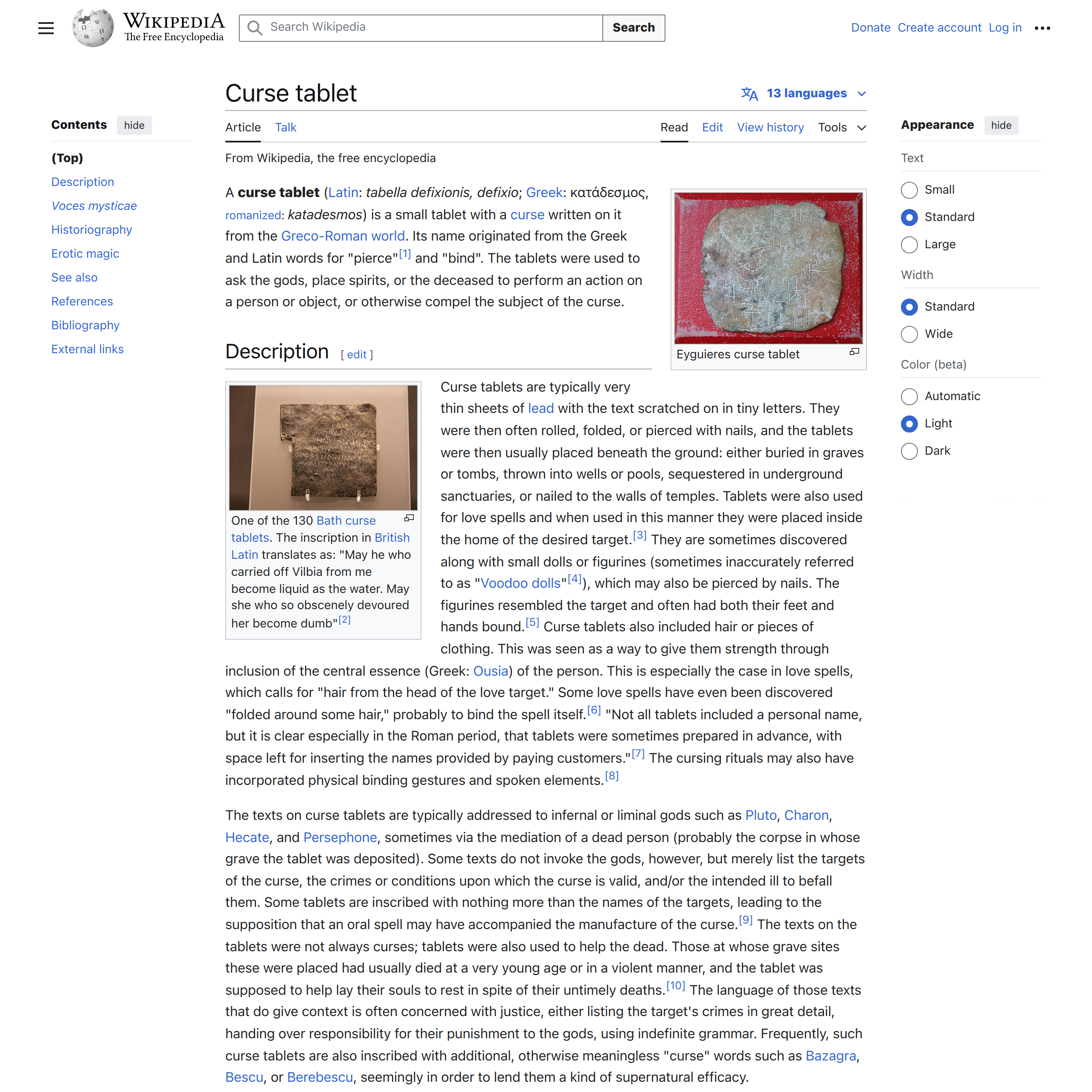
From Wikipedia, the free encyclopedia
Oblique Strategies (subtitled Over One Hundred Worthwhile Dilemmas) is a card-based method for promoting creativity jointly created by musician/artist Brian Eno and multimedia artist Peter Schmidt, first published in 1975. Physically, it takes the form of a deck of 7-by-9-centimetre (2.8 in × 3.5 in) printed cards in a black box.[1][2][3] Each card offers a challenging constraint intended to help artists (particularly musicians) break creative blocks by encouraging lateral thinking.
miscellania & etceteria that i have read some of
If we play our cards right we may still have a chance of avoiding the pure replicators, Molochs, and Singletons that lurk in our forward light-cone. But to do so we need to stay grounded and avoid the pitfalls here discussed.
Qualia Research Institute - "Wireheading Done Right"
https://qri.org/blog/wireheading-done-right (https://qri.org/blog/wireheading-done-right)
We take for granted the fact that people around us like to watch movies, go to sports events, read novels, get drunk, listen to music, have sex, etc., without realizing they could be investing all of that energy in figuring out how to make clones.
Qualia Research Institute - "Wireheading Done Right"
https://qri.org/blog/wireheading-done-right
How to stay positive without going insane.
path of exile is simply a tool to test your path of building creation

Goichi Suda

Uploaded by K4SKO on 2026-09-04.

They talked about the spatial representation of time as rhythm, and the connection of the ancient theories of the Numerical Harmonies with modern temporal physics. They talked about the best stroke for long-distance swimming. They talked about whether their childhoods had been happy. They talked about what happiness was.
the dispossessed, ursula k. le guin
They were face to face now, but they had not touched.
"Is it what you need, then?"
"Yes. The bond. The chance."
"Now -- for life?"
"Now and for life."
Life, said the stream of quick water down the rocks
in the cold dark.
the dispossessed, ursula k. le guin
Kala Paint - Painting software built by painters for painters. One-time purchase. No subscription.

The franchise and the virus work on the same principle: what thrives in one place will thrive in another. You just have to find a sufficiently virulent business plan, condense it into a three-ring binder -- its DNA -- xerox it, and condense it in the fertile lining of a well traveled highway, preferably one with a left-turn lane. Then the growth will expand until it runs up against its property lines.
snow crash pg 190-191
Mathematics of Sustaining Indigon + Mana Reservation/Mind over Matter
Theory
For those of you unfortunate enough to have attempted Indigon builds in the past, there is an interesting idea that's probably popped up into your head: is it possible to permanently sustain Indigon, such that you receive both little-to-no downtime and near-maximum uptime on the Indigon buffs? After all, that 2000% increased Spell Damage looks mighty tasty. But trying to figure out the mathematics behind this seems daunting. Many decided it wasn't worth the effort. It's said that Sirus attempted to figure it out, but as he said, his Indigon build's damage was "BORING and SMALL". However, as someone who hopelessly enjoys math as a hobby, I decided to try and figure out this riddle, and here I have the results of my labor.
The conclusion/tl;dr is at the very end; what follows is a look into the reasoning behind the conclusion.
Mathematics
The formula for these Mana costs:
Mana_Cost = Base_Mana_Cost*(1 + 0.5*floor(Total_Mana_Spent_Past_Four_Seconds/200))
We create a sequence from this: suppose the skill triggers k times in four seconds.
M_i = Base_Mana_Cost*(1 + 0.5*floor(sum (n=i-k to n=i-1) M_n/200))
Now, for those who don't recall much about Calculus: infinite sequences are said to converge if they approach a specific number (for example, the infinite sequence 1/x converges to zero, as you can see: 1, 1/2, 1/3, 1/4, 1/5, ...). Other sequences are said to diverge to infinity if the sequence climbs without stopping (the simple sequence x does this: 1, 2, 3, 4, 5, ...). And some neither converge nor diverge (such as sine and cosine: they infinitely go between 1 and -1).
We are interested in knowing whether our Indigon Mana Sequence either converges to some specific Mana cost or diverges to infinity. In the former case, we can set up our variables (pre-Indigon Mana cost, cast speed, etc.) to attain convergence to around a number we like; in the latter case, we are doomed to never have a stable Indigon build in this manner.
So let's get cracking at the math! (Again, skip to the Conclusion if you aren't interested in a more thorough examination of the problem.)
For Wolfram Alpha, given Base_Mana_Cost = 100 that triggers 4 previous times in the past 4 seconds, this is referenced by:
a(n) = 50 floor(( sum_(k=n - 4)^(n - 1) a(k))/200) + 100
Now, when M_i > Unreserved_Max_Mana, M_i = 0.
If we include this for a maximum unreserved mana of 10,000, we get a bit of a monster of a piecewise function:
a(n) = Piecewise[{{50 floor(( sum_(k=n - 4)^(n - 1) a(k))/200) + 100,50 floor(( sum_(k=n - 4)^(n - 1) a(k))/200) + 100 < 1000},{0,50 floor(( sum_(k=n - 4)^(n - 1) a(k))/200) + 100 >= 1000}}]
Now, this works whenever we fill our mana back to Unreserved_Max_Mana in between our cast times, but when that's not the case, we will need to adjust the above model to work with our current mana pool instead.
But for now, let's focus on the first case, just to see if it's possible for this to stabilize at all.
Wolfram Alpha was a pain, so I moved to Mathematica. And I found two interesting results running these two queries:
For once per second:
RecurrenceTable[{l[x] == Piecewise[{{50 Floor[Sum[l[k], {k, x - 4, x - 1}]/200] + 100, 50 Floor[Sum[l[k], {k, x - 4, x - 1}]/200] + 100 < 1000}, {0, 50 Floor[Sum[l[k], {k, x - 4, x - 1}]/200] + 100 >= 1000}}], l[1] 0, l[2] 0, l[3] 0, l[4] 0}, l, {x, 5, 175}]
We get:
{100, 100, 150, 150, 200, 250, 250, 300, 350, 350, 400, 450, 450, 500, 550, 550, 600, 650, 650, 700, 750, 750, 800, 850, 850, 900, 950, 950, 0, 800, 750, 700, 650, 800, 800, 800, 850, 900, 900, 950, 0, 750, 750, 700, 650, 800, 800, 800, 850, 900, 900, 950, 0, 750, 750, 700, 650, 800, 800, 800, 850, 900, 900, 950, 0, 750, 750, 700, 650, 800, 800, 800, 850, 900, 900, 950, 0, 750, 750, 700, 650, 800, 800, 800, 850, 900, 900, 950, 0, 750, 750, 700, 650, 800, 800, 800, 850, 900, 900, 950, 0, 750, 750, 700, 650, 800, 800, 800, 850, 900, 900, 950, 0, 750, 750, 700, 650, 800, 800, 800, 850, 900, 900, 950, 0, 750, 750, 700, 650, 800, 800, 800, 850, 900, 900, 950, 0, 750, 750, 700, 650, 800, 800, 800, 850, 900, 900, 950, 0, 750, 750, 700, 650, 800, 800, 800, 850, 900, 900, 950, 0, 750, 750, 700, 650, 800, 800, 800, 850, 900, 900}
For four times a second:
RecurrenceTable[{l[x] == Piecewise[{{50 Floor[Sum[l[k], {k, x - 16, x - 1}]/200] + 100, 50 Floor[Sum[l[k], {k, x - 16, x - 1}]/200] + 100 < 1000}, {0, 50 Floor[Sum[l[k], {k, x - 16, x - 1}]/200] + 100 >= 1000}}], l[1] 0, l[2] 0, l[3] 0, l[4] 0, l[5] 0, l[6] 0, l[7] 0, l[8] 0, l[9] 0, l[10] 0, l[11] 0, l[12] 0, l[13] 0, l[14] 0, l[15] 0, l[16] 0}, l, {x, 5, 175}]
We get:
{0, 0, 0, 0, 0, 0, 0, 0, 0, 0, 0, 0, 100, 100, 150, 150, 200, 250, 300, 400, 500, 600, 750, 950, 0, 0, 0, 0, 0, 0, 0, 0, 0, 0, 950, 0, 0, 900, 950, 0, 800, 0, 0, 0, 0, 0, 0, 0, 0, 0, 0, 750, 950, 0, 950, 950, 0, 0, 0, 0, 0, 0, 0, 0, 0, 0, 0, 0, 800, 750, 950, 950, 950, 0, 0, 0, 0, 0, 0, 0, 0, 0, 0, 0, 0, 0, 800, 750, 700, 650, 800, 0, 0, 0, 0, 0, 0, 0, 0, 0, 0, 0, 0, 800, 800, 850, 900, 900, 0, 0, 0, 0, 0, 0, 0, 0, 0, 0, 0, 0, 950, 0, 750, 750, 700, 850, 0, 0, 0, 0, 0, 0, 0, 0, 0, 0, 0, 850, 0, 850, 900, 950, 950, 0, 0, 0, 0, 0, 0, 0, 0, 0, 0, 0, 0, 0, 800, 750, 700, 650, 800, 0, 0, 0, 0, 0, 0, 0, 0, 0, 0}
You can see a pattern here. The rate of growth of the mana costs is actually pretty low, and since the maximum mana is, percentage wise, so much higher than the base mana cost, the scaling mana cost drives right up to the maximum mana.
If we take another scenario, say, with an Archmage build, where the base mana cost is closer to 25% of maximum mana:
RecurrenceTable[{l[x] == Piecewise[{{125 Floor[Sum[l[k], {k, x - 4, x - 1}]/200] + 250, 125 Floor[Sum[l[k], {k, x - 4, x - 1}]/200] + 250 < 1000}, {0, 125 Floor[Sum[l[k], {k, x - 4, x - 1}]/200] + 250 >= 1000}}], l[1] 0, l[2] 0, l[3] 0, l[4] 0}, l, {x, 5, 175}]
Results:
{250, 375, 625, 0, 0, 875, 0, 750, 0, 0, 625, 0, 625, 0, 0, 625, 0, 625, 0, 0, 625, 0, 625, 0, 0, 625, 0, 625, 0, 0, 625, 0, 625, 0, 0, 625, 0, 625, 0, 0, 625, 0, 625, 0, 0, 625, 0, 625, 0, 0, 625, 0, 625, 0, 0, 625, 0, 625, 0, 0, 625, 0, 625, 0, 0, 625, 0, 625, 0, 0, 625, 0, 625, 0, 0, 625, 0, 625, 0, 0, 625, 0, 625, 0, 0, 625, 0, 625, 0, 0, 625, 0, 625, 0, 0, 625, 0, 625, 0, 0, 625, 0, 625, 0, 0, 625, 0, 625, 0, 0, 625, 0, 625, 0, 0, 625, 0, 625, 0, 0, 625, 0, 625, 0, 0, 625, 0, 625, 0, 0, 625, 0, 625, 0, 0, 625, 0, 625, 0, 0, 625, 0, 625, 0, 0, 625, 0, 625, 0, 0, 625, 0, 625, 0, 0, 625, 0, 625, 0, 0, 625, 0, 625, 0, 0, 625, 0, 625, 0, 0, 625}
So you can see it did stabilize, only this time with plenty of interruptions. The question, then, is whether we can ensure permanent stability or not.
We can see some cases where this clearly does stabilize, such as:
{l[x] == Piecewise[{{15 Floor[Sum[l[k], {k, x - 8, x - 1}]/200] + 30, 15 Floor[Sum[l[k], {k, x - 8, x - 1}]/200] + 30 < 20000}, {0, 15 Floor[Sum[l[k], {k, x - 8, x - 1}]/200] + 30 >= 20000}}], l[1] 50, l[2] 50, l[3] 50, l[4] 50, l[5] 50, l[6] 50, l[7] 50, l[8] 50}, l, {x, 1, 175}]
Which yields:
{50, 50, 50, 50, 50, 50, 50, 50, 60, 60, 60, 60, 60, 60, 60, 60, 60, 60, 60, 60, 60, 60, 60, 60, 60, 60, 60, 60, 60, 60, 60, 60, 60, 60, 60, 60, 60, 60, 60, 60, 60, 60, 60, 60, 60, 60, 60, 60, 60, 60, 60}
This is because the ratio of the base mana cost (30) to n=8. Interestingly, the same is true but for different values if we change the starting conditions to all zero:
{0, 0, 0, 0, 0, 0, 0, 0, 30, 30, 30, 30, 30, 30, 30, 45, 45, 45, 45, 45, 45, 45, 45, 45, 45, 45, 45, 45, 45, 45, 45, 45, 45, 45, 45, 45, 45, 45, 45, 45, 45, 45, 45, 45, 45, 45, 45, 45, 45, 45, 45, 45}
The key is the ratio with 200 and the base mana cost: if the ratio goes too high, it diverges to infinity.
The mana cost increases by half the base mana * the floor of the sum/200.
To think about an extreme case, if the base mana cost is 400, then we would have 200 * Floor + 400. Let's say x_i-8 is at least 200 greater than x_i-9. Then Floor must increase by at least 1 in the calculation for x_i compared to x_i-1.
This guarantees infinite growth.
So we can only ensure stability iff we show stability for any given k+1 size Indigon mana growth sequence.
We have stability if and only if, for any given x_i for high enough n, x_i = x_i-1 for all i > n, which implies that 0.5*Base_Mana_Cost*Float(Sum of x_i-k to x_i-1/200) + Base_Mana_Cost = 0.5*Base_Mana_Cost*Float(Sum of x_i-k-1 to x_i-2/200) + Base_Mana_Cost -> Float(Sum of x_i-k to x_i-1/200) = Float(Sum of x_i-k-1 to x_i-2/200) for all i > n. We can narrow this further: the aforementioned holds if and only if there are k+1 (non-starting) x_i through x_i+k that are all equal, since x_i+k+1 must equal x_i+k since Float(Sum of x_i to x_i+k-1/200) must equal Float(Sum of x_i+1 to x_i+k/200) since x_i = x_i+1 and x_i+k-1 = x_i+k and the two sums share the other elements. This then holds for all x_j where j > i by induction, proving stability.
Thus, we do not have stability if and only if there do not exist any i > k where x_i = x_i+k, which is equivalent to Float(Sum of x_i-k to x_i-1/200) = Float(Sum of x_i to x_i+k-1/200).
These only differ if the difference in the sums crossed a Float threshold.
Let's take Sum_A = Sum of x_i-k to x_i-1 and Sum_B = Sum of x_i to x_i+k-1.
If we take A mod 200, then we can determine whether these sums cross the threshold by the following:
Sum_Diff = Sum_A mod 200 + (Sum_B - Sum_A)
If Sum_Diff >= 200, then Float(A/200) < Float(B/200). Else, Float(A/200) = Float(B/200)
The Float changes iff the elements change, and the elements change iff their own Floats change. Those Floats only change by whole number amounts, which change those elements by that whole number change multiplied to half of the base mana cost. So sums can only change by some integer multiplied to half the base mana cost; hence why the base mana cost is essential.
If the base mana cost is greater than 400 mana, then it's trivial to prove that it will grow: if a single element grows, then the sequence will diverge to infinity.
If the base mana cost is less than 200/k, then it is impossible for it to converge to infinity; it is guaranteed to converge to some number.
Overall, though, we don't really care if a particular instance of Sum_Diff increases, but if it continues to increase infinitely, diverging. So let's calculate what the average Float increase will be, and perhaps we can move forward from there.
Each element x_n from n=i+1 to n=i+k can increase the Sum value by 0.5*Base_Mana_Cost; then the average contribution of the Float is 0.5*Base_Mana_Cost*k*Average_Element_Increase, where Average_Element_Increase is Ceiling[0.5*Base_Mana_Cost*k/200]. If the average contribution of the Float is less than 200, then it should converge; otherwise, it should diverge.
This is a relationship between our number 200, half of our Base_Mana_Cost (i.e. the number by which our sum grows per increase in an element's Float), and the number of elements k.
Base_Mana_Cost = 50 and k = 8 -> diverges to infinity (25*8 = 200)
Base_Mana_Cost = 48 and k = 8 -> converges (24*8 = 192 < 200)
Base_Mana_Cost = 58 and k = 7 -> diverges to infinity (29*7 = 203)
Base_Mana_Cost = 56 and k = 7 -> converges (28*7 = 196 < 200)
There is likely a more thorough proof of this which we can investigate at some later date; for now, we can postulate that it diverges iff Base_Mana_Cost * 0.5 * k >= 200.
So we've determined the limit of our divergence/convergence. For Base_Mana_Cost = 48 and k = 8, we have:
{0, 0, 0, 0, 0, 0, 0, 0, 48, 48, 48, 48, 48, 72, 72, 72, 96, 96, 96, 120, 120, 120, 120, 144, 144, 144, 168, 168, 168, 168, 192, 192, 192, 192, 216, 216, 216, 216, 240, 240, 240, 240, 264, 264, 264, 264, 288, 288, 288, 288, 312, 312, 312, 312, 336, 336, 336, 336, 336, 360, 360, 360, 360, 360, 384, 384, 384, 384, 384, 408, 408, 408, 408, 408, 408, 432, 432, 432, 432, 432, 432, 456, 456, 456, 456, 456, 456, 480, 480, 480, 480, 480, 480, 480, 504, 504, 504, 504, 504, 504, 504, 528, 528, 528, 528, 528, 528, 528, 552, 552, 552, 552, 552, 552, 552, 552, 576, 576, 576, 576, 576, 576, 576, 576, 600, 600, 600, 600, 600, 600, 600, 600, 624, 624, 624, 624, 624, 624, 624, 624, 624, 624, 624, 624, 624, 624, 624}
Convergence at 624 mana cost, which is not very high though still substantial. It's only 3*8 = 24 ticks of the full 80 which Indigon can handle at once (at max roll), with 4992 Mana spent Recently.
This can be a solid investment if one also wants to do Mind over Matter or if one simply doesn't have that much Mana due to Mana Reservation or lack of large Mana investment.
For another example, for Base_Mana_Cost = 96 and k = 4, we have:
{0, 0, 0, 0, 96, 96, 96, 144, 192, 192, 240, 240, 288, 288, 336, 336, 384, 384, 432, 432, 480, 480, 528, 528, 576, 576, 624, 624, 672, 672, 672, 720, 720, 720, 768, 768, 768, 816, 816, 816, 864, 864, 864, 912, 912, 912, 960, 960, 960, 960, 1008, 1008, 1008, 1008, 1056, 1056, 1056, 1056, 1104, 1104, 1104, 1104, 1152, 1152, 1152, 1152, 1200, 1200, 1200, 1200, 1248, 1248, 1248, 1248, 1248, 1248, 1248, 1248, 1248, 1248, 1248, 1248, 1248, 1248, 1248, 1248, 1248, 1248, 1248, 1248, 1248, 1248, 1248, 1248, 1248, 1248}
While the Mana cost is higher here, we actually have the same Recently spent Mana (since I just halved k and doubled Base_Mana_Cost): 4992 Mana spent Recently.
This yields us Floor(4992/200) = 24 amount to multiply the "(20-25)% increased Spell Damage" by, giving us between 480% and 600% increased Spell Damage from this setup.
But if we take it to the absolute maximum we can go, for Base_Mana_Cost = 99 and k = 4:
{0, 0, 0, 0, 99., 99., 99., 148.5, 198., 198., 247.5, 247.5, 297., 297., 346.5, 346.5, 396., 396., 445.5, 445.5, 495., 495., 544.5, 544.5, 594., 594., 643.5, 643.5, 693., 693., 742.5, 742.5, 792., 792., 841.5, 841.5, 891., 891., 940.5, 940.5, 990., 990., 1039.5, ...
[many, many rows later...]
..., 4999.5, 4999.5, 4999.5, 4999.5, 4999.5, 4999.5, 4999.5, 4999.5, 4999.5, 4999.5, 4999.5, 4999.5, 4999.5, 4999.5, 4999.5, 4999.5, 4999.5, 4999.5, 4999.5, 4999.5}
It takes a lot longer, but we eventually get to a very high Mana cost: 4999.5, which gives us a massive 19998 Mana spent Recently. This more than maxes out our Indigon buff at 2000% increased Spell Damage.
We can try this for k = 8 as well, for Base_Mana_Cost = 49:
{0, 0, 0, 0, 0, 0, 0, 0, 49., 49., 49., 49., 49., 73.5, 73.5, 73.5, ...
[many, many rows later...]
..., 1249.5, 1249.5, 1249.5, 1249.5, 1249.5, 1249.5, 1249.5, 1249.5, 1249.5, 1249.5, 1249.5, 1249.5, 1249.5, 1249.5, 1249.5, 1249.5, 1249.5, 1249.5, 1249.5, 1249.5, 1249.5, 1249.5, 1249.5, 1249.5, 1249.5}
Once again, it takes a lot longer to equalize, but we get to a much higher Mana cost here as well: 1249.5, which multiplied by k = 8 gives us 9996 Mana spent Recently.
This gives us 49 stacks, scaling between 980% and 1225% increased Spell Damage.
Finally, if we look at something far off like k = 16:
{0, 0, 0, 0, 0, 0, 0, 0, 0, 0, 0, 0, 0, 0, 0, 0, 24, 24, 24, 24, 24, 24, 24, 24, 24, 36, 36, 36, 36, 36, 36, 48, 48, 48, 48, 48, 48, 60, 60, 60, 60, 60, 60, 60, 72, 72, 72, 72, 72, 72, 72, , ...
[many, many rows later...]
..., 312, 312, 312, 312, 312, 312, 312, 312, 312, 312, 312, 312, 312, 312, 312, 312, 312}
This gives us 312 * 16 = 4992 Mana spent Recently for a 480% to 600% increased Spell Damage buff. Not bad investment at all for those with low Mana and high cast rate!
But there is another question: what if we decide to let it diverge and instead consider our current Mana pool/Mana Regen as the method for running Indigon? In a sense, this monitors itself - if it gets too high, it just stops and waits for Mana to regen.
That would have some quality of life problems, though, given that it simply stops functioning, possibly at critical moments, so I won't pursue that line of thought. If one wanted to run, say, a Mjolner build that would continue to trigger even on no mana, then such a build would converge generally close to wherever their Mana Regen meets their scaling Mana costs, which naturally depends on said values for their build.
Conclusion
tl;dr: Overall, the main conclusion from this is that one can setup their Mana cost and cast speed in such a manner as to have their Indigon-increased Mana costs converge to a specific number.
I'd give a formula for it, but your starting conditions can actually change the number which you converge to, so if you start off with Arcane Cloak, for example, or you're using other Skills while you do this, you may change what you converge to.
This is the takeaway:
Calculate your pre-Indigon Mana spending and the number of casts per 4 second ('Recently') window.
So long as 0.5 * pre-Indigon Mana spending * number of casts per 4 second window < 200, then it will converge. Otherwise it will diverge to your maximum available Mana.
This also accounts for interrupts in your casting and such; the only way it surprises you by diverging is if your Mana costs or casts are increased too far. This can be a problem if you're "on the edge" of diverging, but being "on the edge" of diverging also maximizes your sustained damage, so it's a point of efficiency. The more effort you put into maintaining it high-but-not-diverging, the more sustained damage you get in return.
Since some builds (of those that do converge) can take a while to converge, you may want to spend some Mana up front (such as via Arcane Cloak) to speed up convergence.
For the absolute highest sustained damage, you'll want low casts with high mana cost, probably your best bet being a single cast per second with a Mana cost LESS THAN 100 but close to it (>= 100 causes divergence). As an example, for 99 mana cost, we spend ~4999.5 Mana every second, which gives us the full 2000% Indigon buff. The only problem is regenerating 5k+ Mana a second!
For a more budget amount, go for 2 casts per second (8 over 4 seconds): it's a more humble ~624 Mana cost per cast, only needing a little over 1.2k Mana regen per second, but gives us between 480% and 600% increased Spell Damage (since total Mana spent Recently is 4992). Mana cost LESS THAN 50 but close to it, if you can.
For a build with very small amounts of Mana but high regen, you can go for high cast speed: 4 casts per second. Similar mana costs at 312 Mana per cast (1.2k per second about) with the same exact 4992 Mana spent Recently, 480% to 600% increased Spell Damage via Indigon. This can probably be fit into a good amount of builds, actually, with some work on Mana regen/Recoup. Mana cost LESS THAN 25 but close to it, if you can.
EDIT: One thing I noticed is that getting the base cost below 25 is very difficult, since reduced modifiers are not effective (since the increased modifiers from Indigon are added to them), so only Less modifiers work - of which there are very few. So my initial Crackling Lance build would only work if a few support gems were dropped, lowering the base cost further. Same for other builds with a cast speed 4.0 or higher. Probably better to shoot for k = 12 (3.0 cast speed) or lower (requiring less than 33 cost), since k = 16 requires a mana cost below 25, which is difficult for any skill supported by a lot of support gems. The PoBs below have been updated accordingly.
Builds to display this:
Absolute Highest Sustained Indigon (~one cast a second): a weak Firestorm template, not recommended to try, but at least it demonstrates a template of how one might use Indigon with such one-cast-per-second concepts: https://pastebin.com/NAnYdwUq (https://pastebin.com/NAnYdwUq)
Simpler two casts a second build: a template showing Disintegrator with Arc (only 1mil dps, not recommended to actually try, just a template): https://pastebin.com/VAtfvWLq (https://pastebin.com/VAtfvWLq)
Speedy four casts a second: an actually strong(ish) though squishy 1.7mil Crackling Lance template: https://pastebin.com/gjv3xp0G (https://pastebin.com/gjv3xp0G)
https://www.reddit.com/r/PathOfExileBuilds/comments/wjcw95/mathematics_of_sustaining_indigon_mana/
https://www.reddit.com/r/PathOfExileBuilds/comments/zsbhmi/guide_to_the_sustained_indigon_build_archetype/
When she of many mouths spoke,
we bowed in awe and were crushed.
i was once a child and looking out into the backyard on a windy summer day and a big oak tree got lit up with wind, and the leaves shimmered with wind, and i listened and thought: ‘it sounds like applause.’
savannah brown - "some writing i did without stopping"
as soon as i fall in love with someone i start thinking of christmas
savannah brown
i think a lot of things are sex that we don’t recognize as sex. i think a very good conversation can be sex; i think maybe two strangers can walk past one another, both hyperaware of the other but pretending not to be, and this can also be a kind of sex. sometimes i walk past a plant and a leaf brushes my soft inner arm and that feels like sex. there is some sex that happens not between people or things but between the self and the moment. the moment always wants to have sex with you—in the way every animal deep down wants to be pet; over-eagerness frightens away. if you open a hand and steadily wait—well, anything can happen then, forget about sex, forget about moments. you can have whatever you want, provided you can bear to let whatever you want want you first.
savannah brown - "some writing i did without stopping"
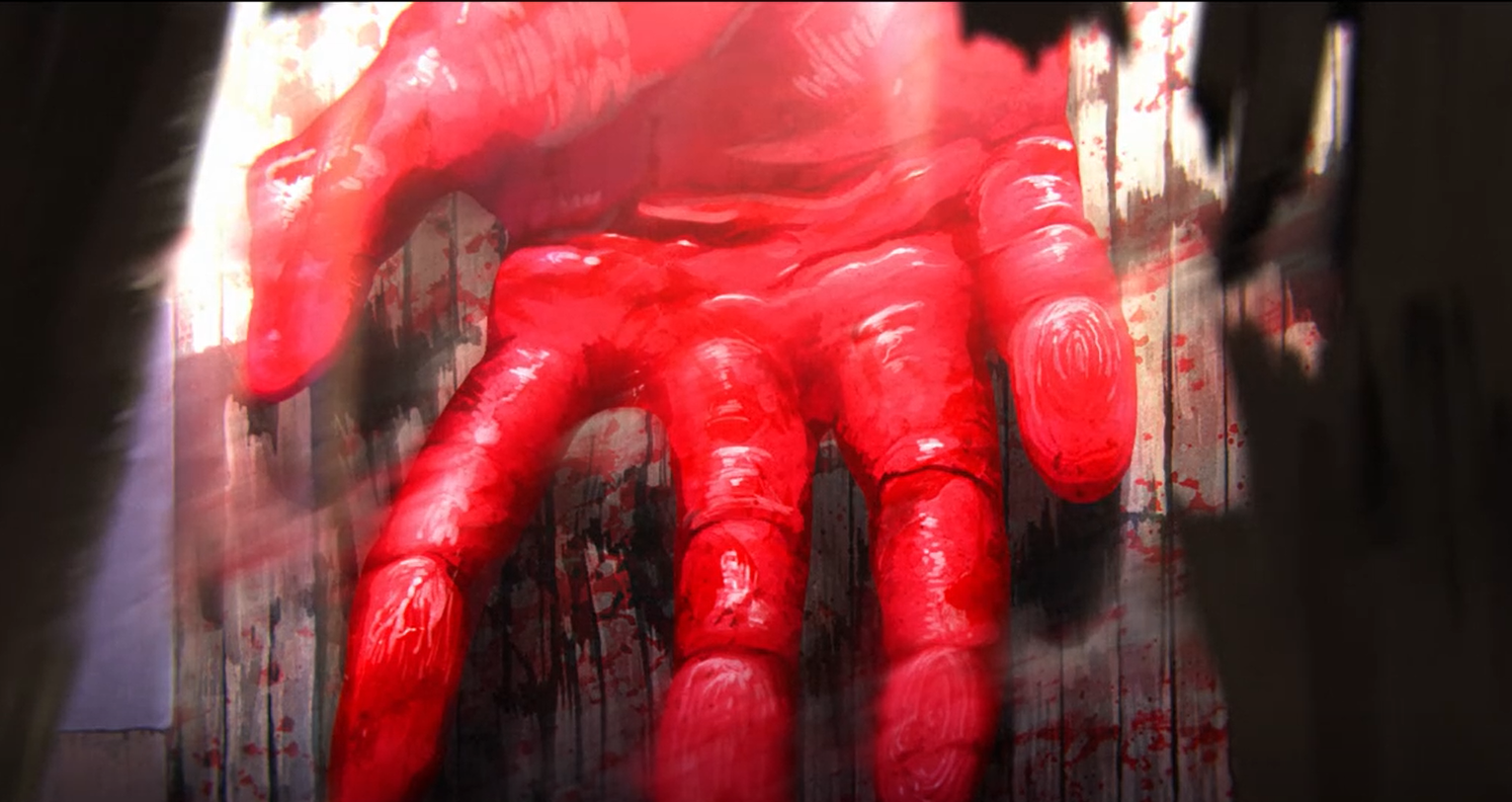
jjk culling games opening
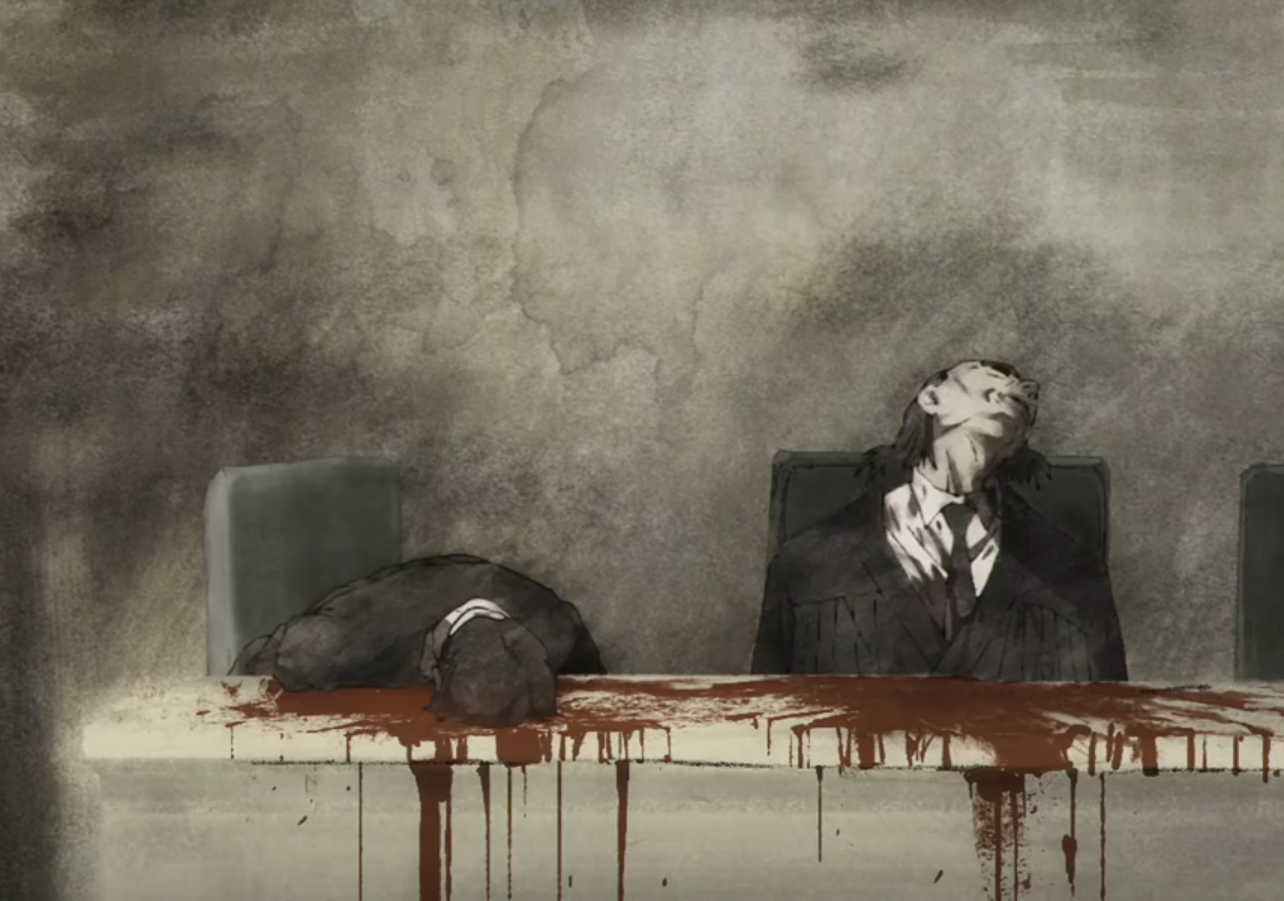
jjk culling games ep 1
PANACOUSTICON \ Lucien Dargue SeriesPanacousticon takes its sonic vocabulary from a specific moment in the history of recorded sound: the cold, lo-fi tape-and-synthesizer culture of early-1980s European industrial and death-ambient music. It is not an emulation of any single record or studio, but a study of a timbral language — metallic detuning, frozen reverb tails, claustrophobic low end, mechanical pulses, and the particular grain of magnetic tape under stress.Listeners who know the catalogues of labels like Cold Meat Industry, the early tape work of Atrax Morgue, or the more contemporary palette of Hospital Productions will recognise some of the same instincts at work here. None of it is reproduced directly. It’s the underlying language, not any specific record, that the bundle is built around.Each instrument in the bundle approaches that language from a different angle: synthesis, granular fragmentation, tape memory, generative drone, organic noise. Together they form a coherent toolkit for building cold, ritualistic, slowly decaying sound, built entirely as Max for Live devices with deep, hands-on Ableton Push mapping.The Granular ArcThe bundle also includes a complete exploration of modern granular synthesis across three instruments. Mesostruttura works at maximum density — thousands of grains per second scattered across the entire buffer, functioning as a sonic microscope that reveals what is hidden inside a sound rather than what is already audible. Post-Rave Soundscape operates at medium density with longer grains, suspending material in space until the source dissolves into texture. 1991 locks onto a single fragment of one to twenty-two milliseconds and repeats it with almost no movement — granular synthesis at its most reduced, a single point held under pressure until repetition itself becomes the instrument. 1991 also includes a built-in generative source, requiring no external sample to run.Taken together the three instruments cover the full range of granular processing from spectral microscopy to spatial erosion to locked repetition — three completely different results from the same underlying mechanism.Requires Ableton Live 12.4 + Max for Live. Fully mapped for Ableton Push. Not compatible with Push 3 Standalone.Official WebsiteDocumentation \ ManualYoutube Playlisthttps://www.emilianopennisi.netSound (http://www.emilianopennisi.netSound) artist and composer working with feedback systems, environmental sound, and algorithmic structures. My practice is rooted in musique concrète, microsound, lowercase music, and generative systems developed in Max/MSP, Pure Data, and SuperCollider. Much of my research explores feedback networks, stochastic processes, chaotic attractors, and slow-evolving sound structures informed by the work of Agostino Di Scipio, Roland Kayn, Jaap Vink Requires: Ableton Live 12.4 (latest version) + Max for Live. Mapped for Ableton Push.Note: I’m currently working on the Ableton Push mapping for both Divine Carceri and Tanatoprassi. Full Push support will be added in the coming days .Can I map the parameters to my MIDI controller?Not through Live’s MIDI Map mode. When you enter MIDI Map mode the controls will not highlight — this is expected behaviour and not a fault in your setup or your controller.What works: Automation — every parameter can be recorded live, drawn in automation lanes, and plays back in real time. Push 3 and Push 3 Standalone — parameters appear natively in the device banks, no mapping required. What doesn’t: Generic MIDI controllers assigned through MIDI Map mode. CC-based hardware control of individual parameters. Need generic MIDI control? The Brain Recordings Bundle (18 devices) is the right choice: every parameter is fully MIDI-mappable with any controller, and it runs on Push 3 Standalone.

nana volume 1

To burn the walls of Troy was to burn the world-entire.
odysseus/the stranger in nolan's odyssey (2026)
5 second battle ch 37

5 second battle ch 37
centuria chapter 99
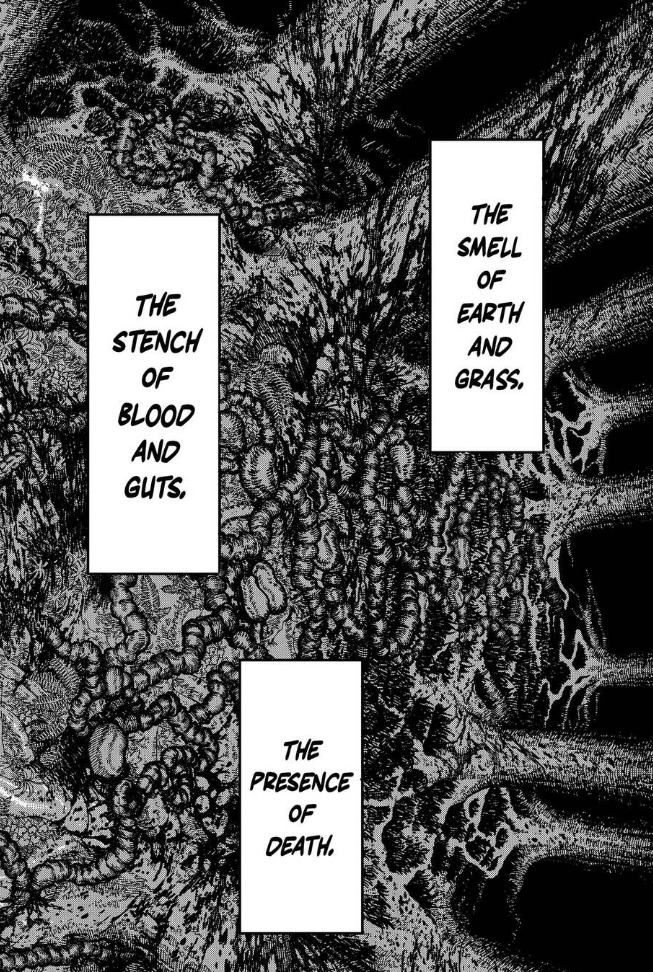
centuria chapter 99

XnView — best free photo viewer for Windows. View 500+ image formats, batch convert, resize and organize your photos. Fast, lightweight, no adware.

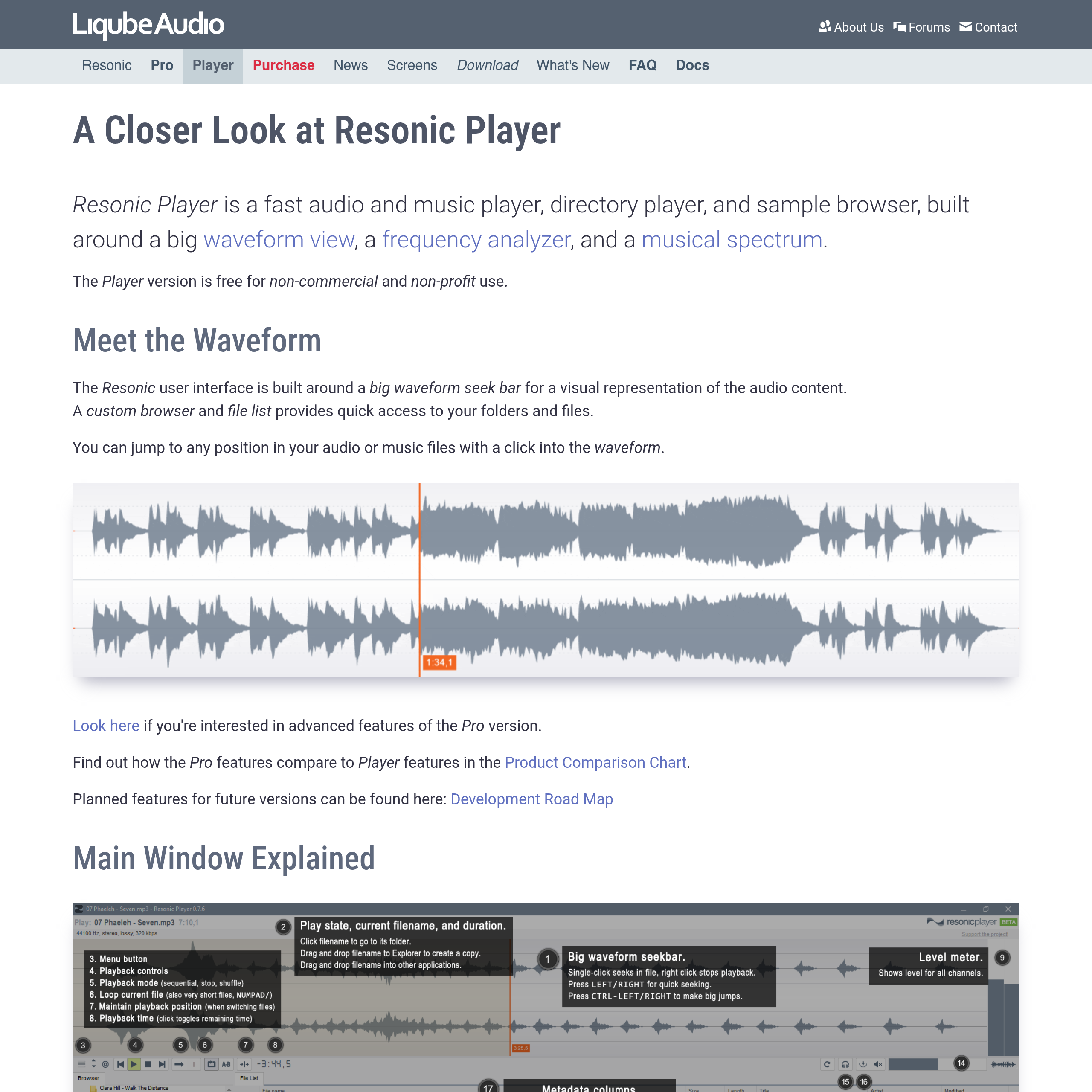
A closer look at the basic features of Resonic Player and Pro.
Download Adobe Bridge digital asset management software when you get started with Adobe Creative Cloud.

FreeCommander is an easy-to-use alternative to the standard windows file manager. The program helps you with daily work in Windows. Here you can find all the necessary functions to manage your data stock. You can take FreeCommander anywhere – just copy the installation directory on a CD or USB-Stick – and you can evenwork with this program on a foreign computer.

Fileside is a modern multi-pane file manager that lets you create workspaces for different projects. It’s a great alternative to Finder on Mac and Explorer on Windows.

file browser and project manager for bitwig studio on windows - siyangsun/todoliszt

obsidian bases
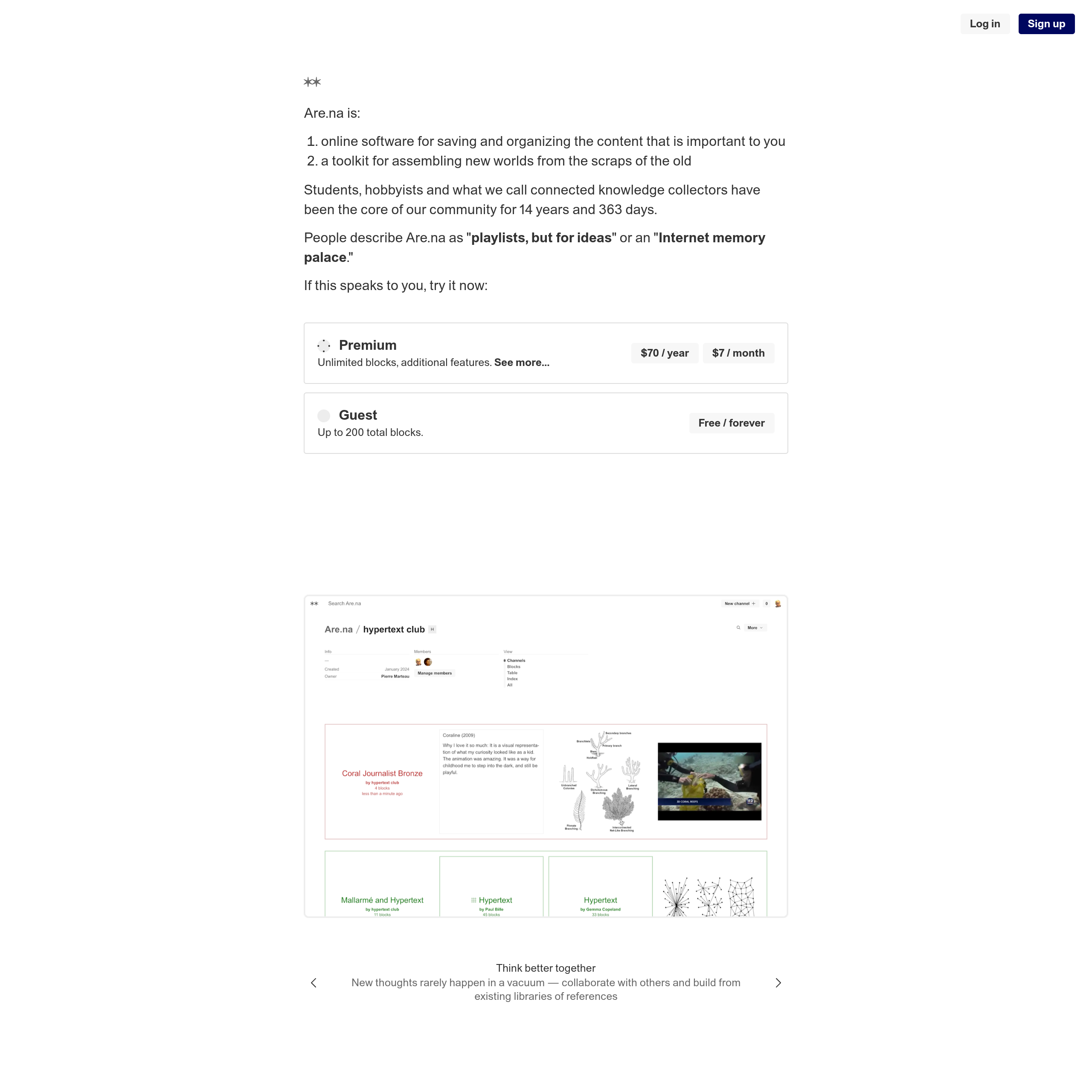
Are.na is a platform for connecting ideas and building knowledge.
I have tried lots of softwares and solutions but they all come short in some aspect and lack compatibility with some file format :
Eagle : good for image and audio preview and management, but poor 3D support
Connecter : good for 3D but poor image support
Adobe Bridge : good for vectors and RAW but poor for some videos and fonts, no 3D
XnView : only images
Resonic : excellent for audio (markers, comments, slicing) but no browser preview
QuickLook (shell extension) : good explorer integration and plugins, but poor 3D, no fonts
Icaros & Media Preview (shell extensions) : not tried yet but seems to cover lots of images
Fast Picture Viewer (shell extension) : same as Icaros, but paid and development seems discontinued
XYplorer / OneCommander : file browsers with a bit better file previewing, but still very limited
https://www.reddit.com/r/software/comments/xkxf3w/is_there_a_onestop_shop_for_previewing_all_media/
personally interested in a barbell strategy of either very niche or fully universal
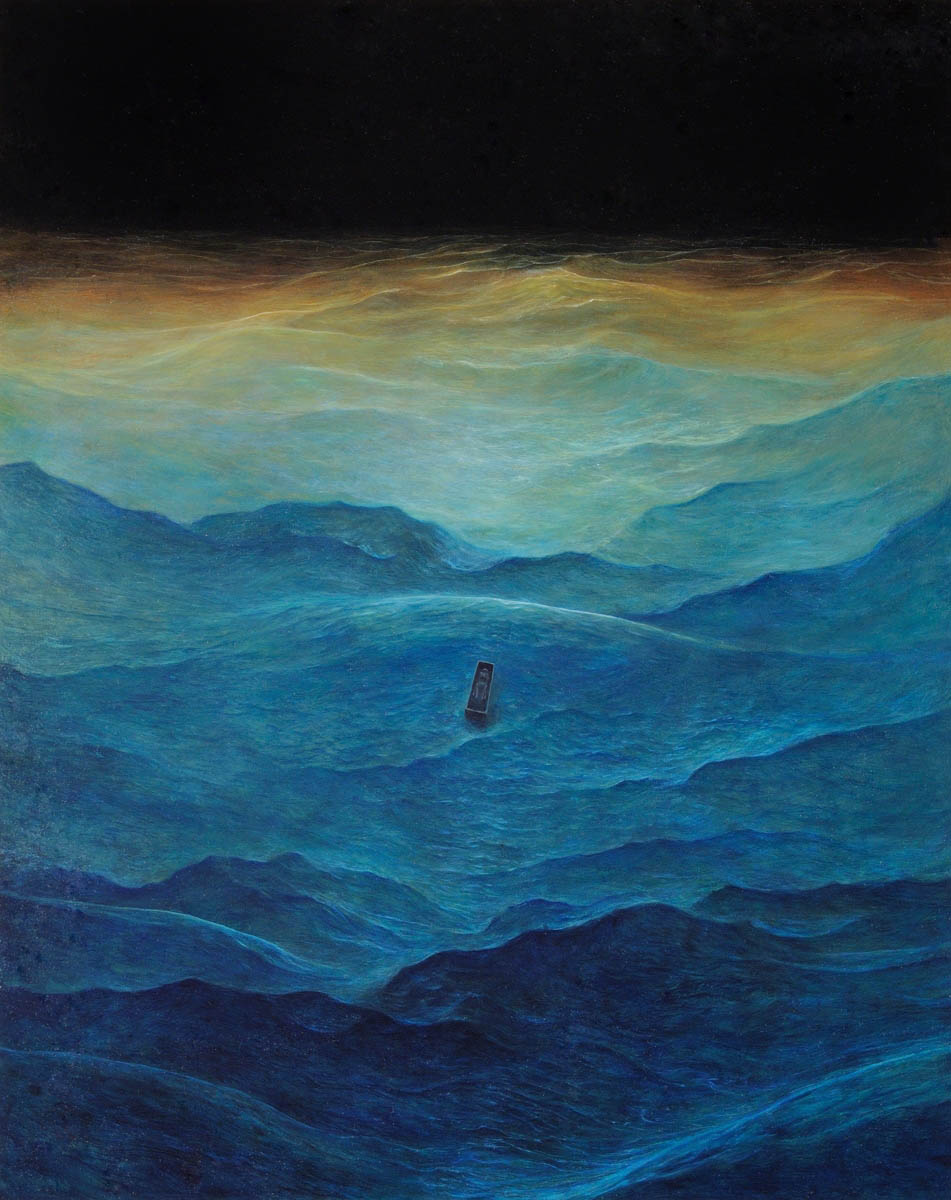
Winter Moonrise by Oskar Bergman, 1928 | Swedish, 1879-1963
Oil on panel, 58 x 50 cm.

y700 programs i might want
calibre (or whatever the modern version is)
carapace
alchemy
ccleaner
rstudio for quick analyses (cleaner than jupyter)
maybe
pureref
sublime text quick text editing
sketchup for making random 3d models for videos/grfx
onetab
Investments: (Investments spike day 3, day 7 and 2-3 weeks into league on average. Items spike earlier generally)
High End Investments: Mirrors, Mirror Shards, Locks, Reflecting Mists, Awakeners orb, Veiled Exalts
Medium End Investments: Maven Chisels, Tempering/Tailoring orbs, Eldritch Currency, Orb of dominance, Divine teardrop, Fracture orbs
Low End Investments: Divine orbs primarily to protect against inflation. Alterations and regrets can be good if you buy early but are mild profit.
Item Investments: Heist bases. Sublime visions, good watchers, ice bite shako, kalandras touch, etc . GG corrupts like power charge/rmr helmets.
Stream Sniping: Invest in what streamers are doing to resell. Stalk their characters on poe.ninja. If you invest when they make a youtube video it is too late. (Only for the true degenerates)
https://docs.google.com/document/d/1G7pQkSOIUgkZceOqj_xgj0VsApmpfaX4WDDe078vVqw/edit?pli=1&tab=t.0
raito, world ranked no. 3 player in ultimate chicken horse
https://www.youtube.com/watch?v=TVkPrLXoC6I

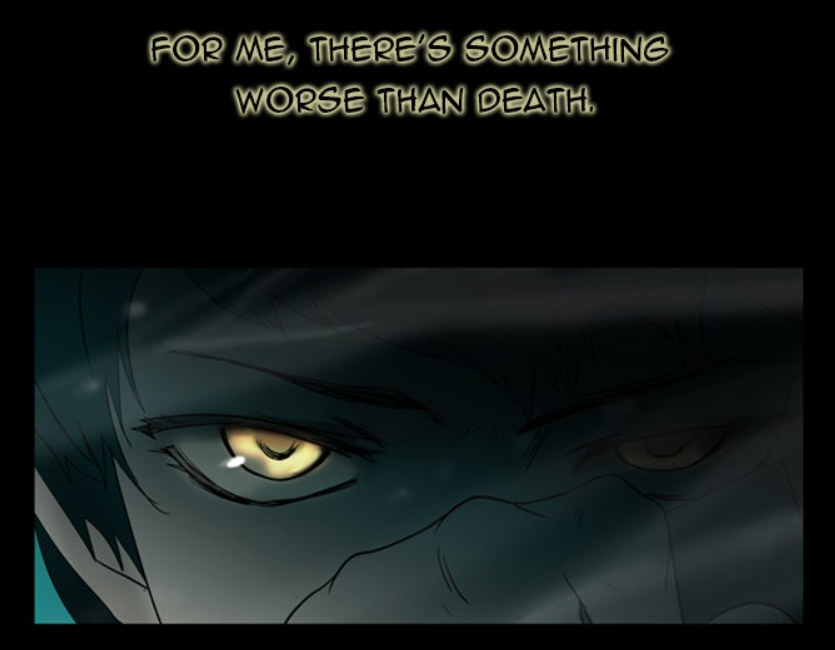
tower of god season 1 ch 3
portable desk
loose leaf tea strainer / home tea setup